Lookin’ at Lichen
Learning From Life
To borrow an idea from the subject of a future post:
There is no one right way to live.
The evidence of this truth is all around us; we cohabitate with so many different forms of life that demonstrate different ways to live. However, most of us are socialized in an anthropocentric, modernized, capitalist culture that posits a right way to live. And every day, in new ways, we are seeing how unhealthy and unsustainable this lifestyle is. Lucky for us, we can discover countless possibilities for how we might practice living differently by being curious about the other forms of life that surround us.
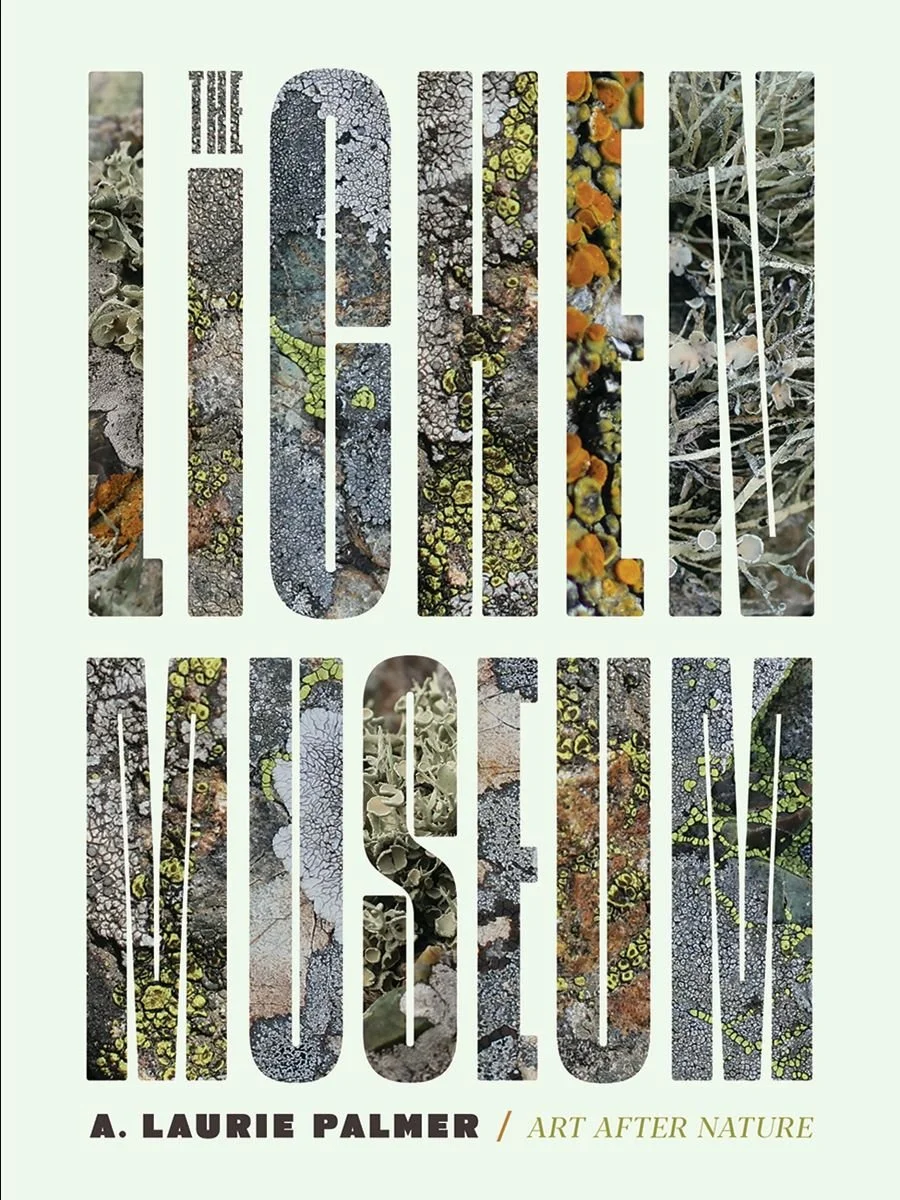
The Lichen Museum by A. Laurie Palmer models this deep attention and curiosity about other ways of living, focusing on an organism that is "generally ignored if not literally stepped on."
[All quotes in this piece, including the one above, are from The Lichen Museum.]
“The Lichen Museum aims to help change how we see, and to interrupt and question certain habits and structures of knowing, being, relating, and describing by engaging with life forms that appear to organize their lives—and “selves”—differently. ”
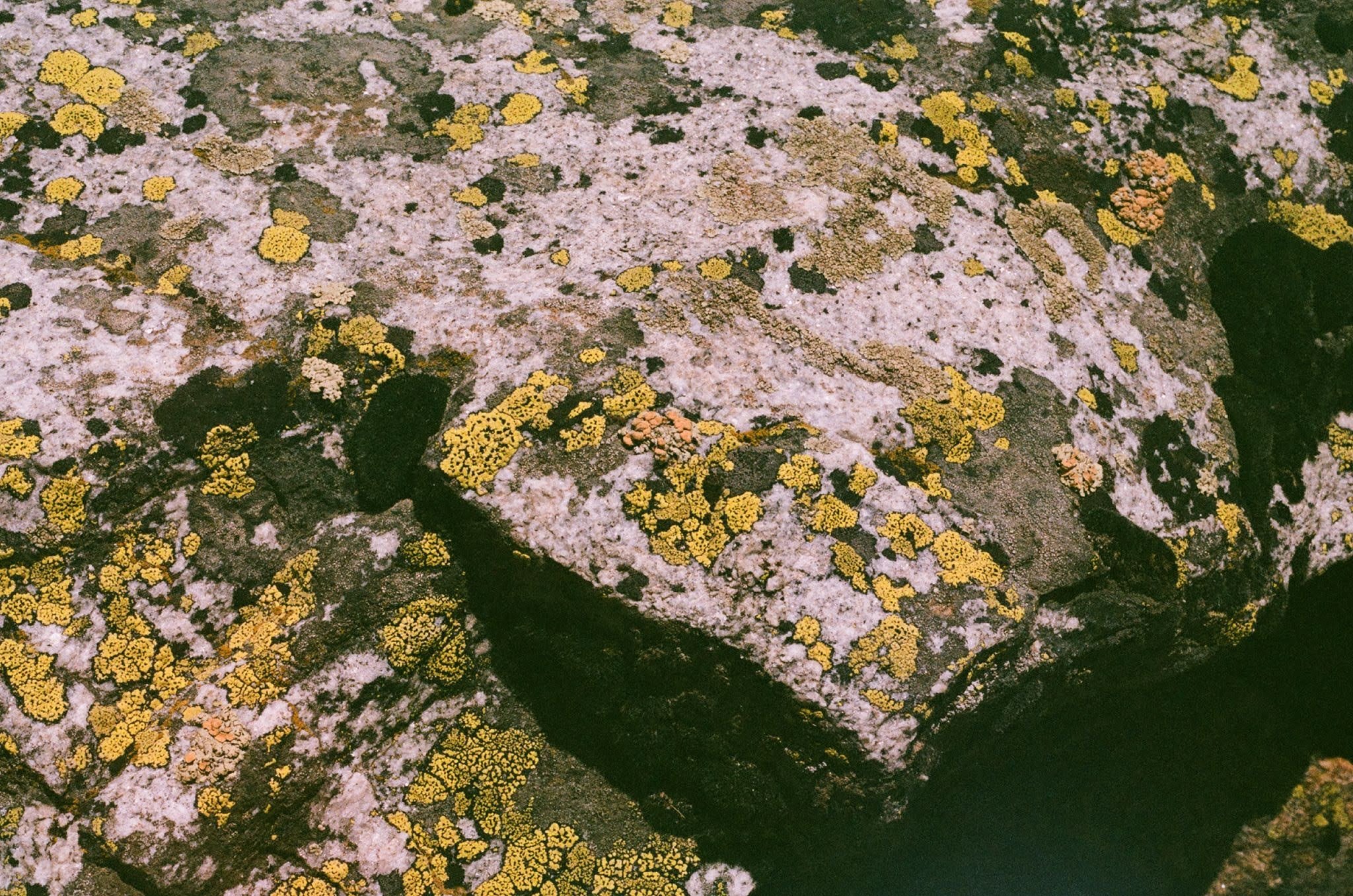
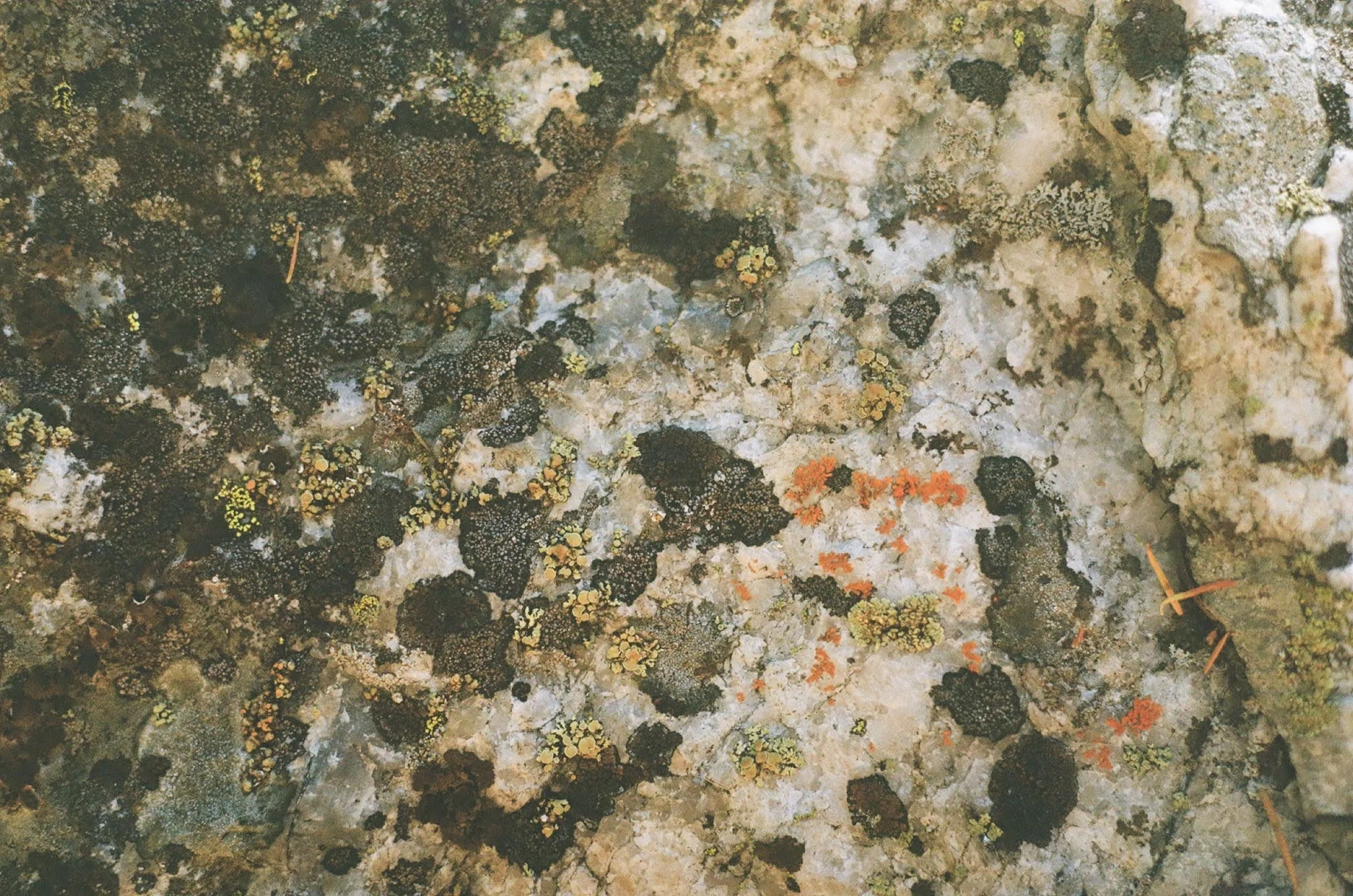
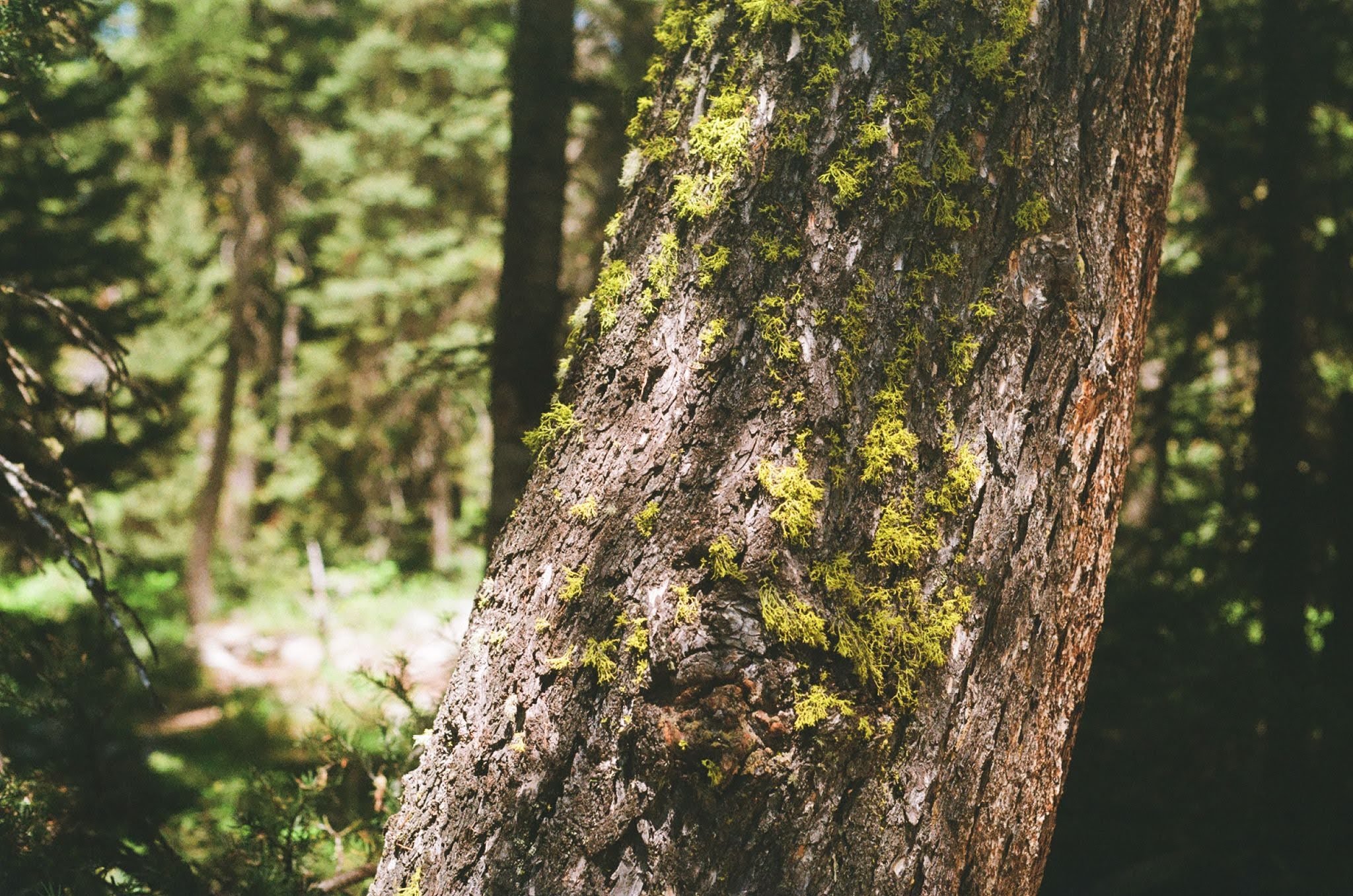
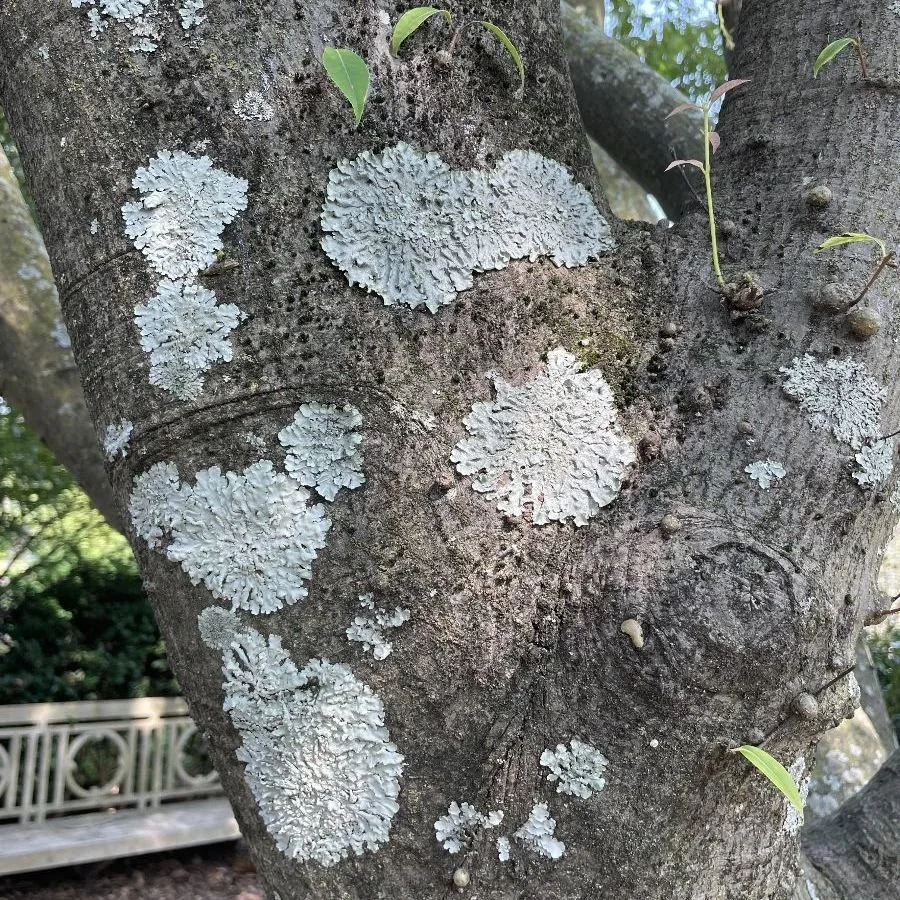
If you accept this invitation to learn from lichen(s)*, you must look closely at dirt, concrete, stones, tree bark, fences, and gutters. You might quickly encounter a familiar and formidable obstacle: boredom. You'll be tempted to look away, daydream, or question the purpose of observing, because our brains are wired to keep us safe by staying highly alert for any new (read: potentially dangerous) changes to our environment.
And lichen tend to just... sit there.
*It can be singular or plural because a lichen is not a single organism; it's a stable partnership between a fungus and algae.
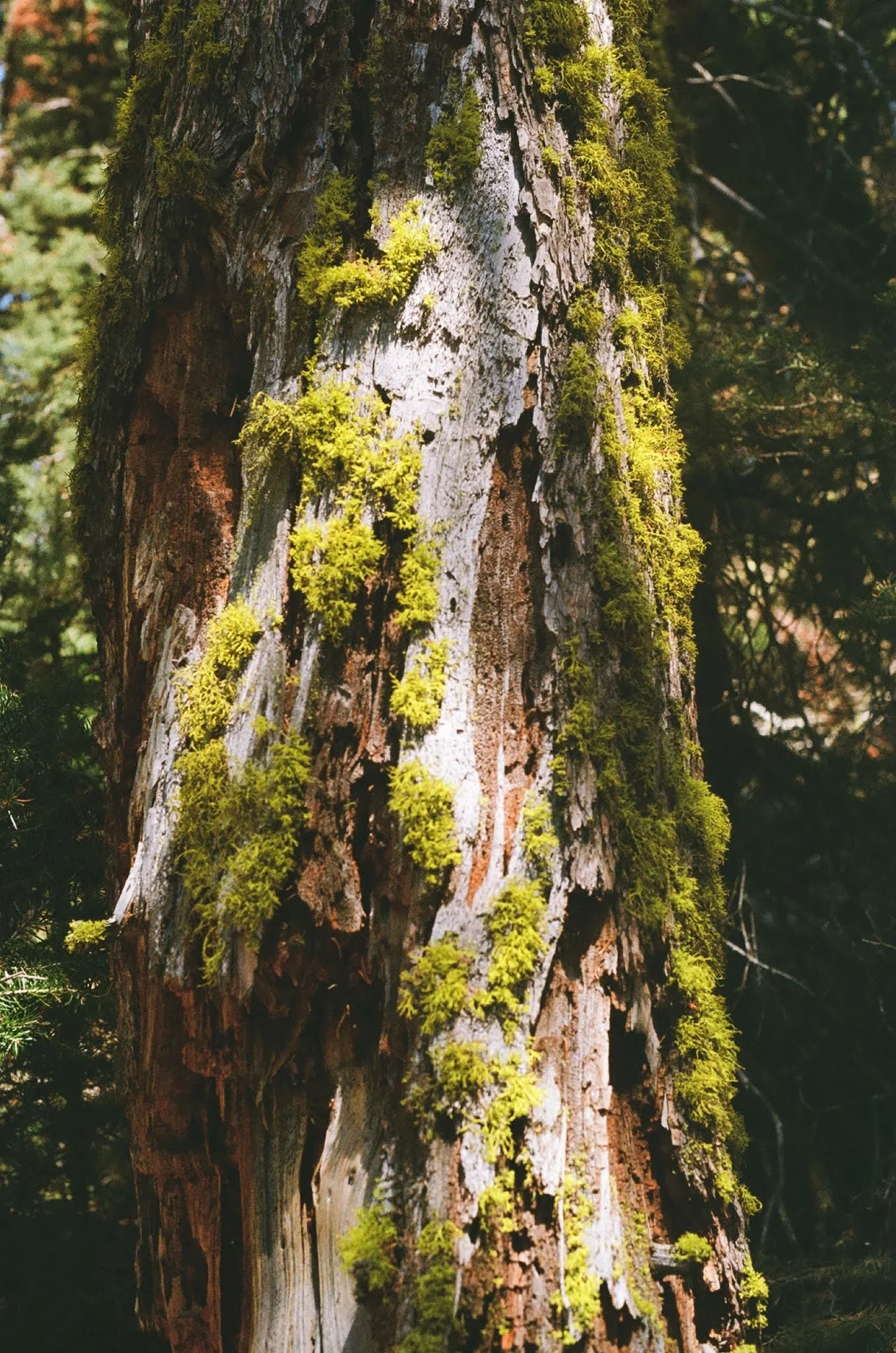
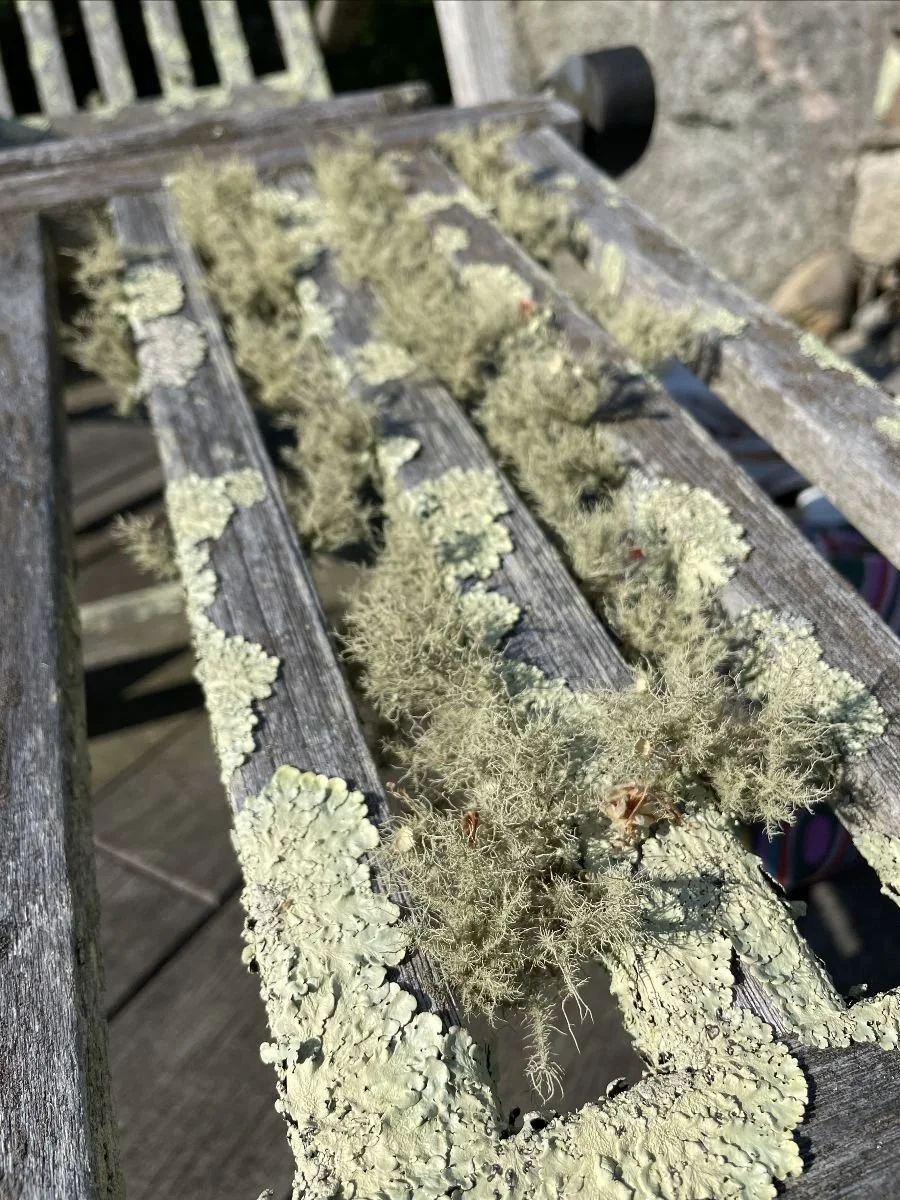
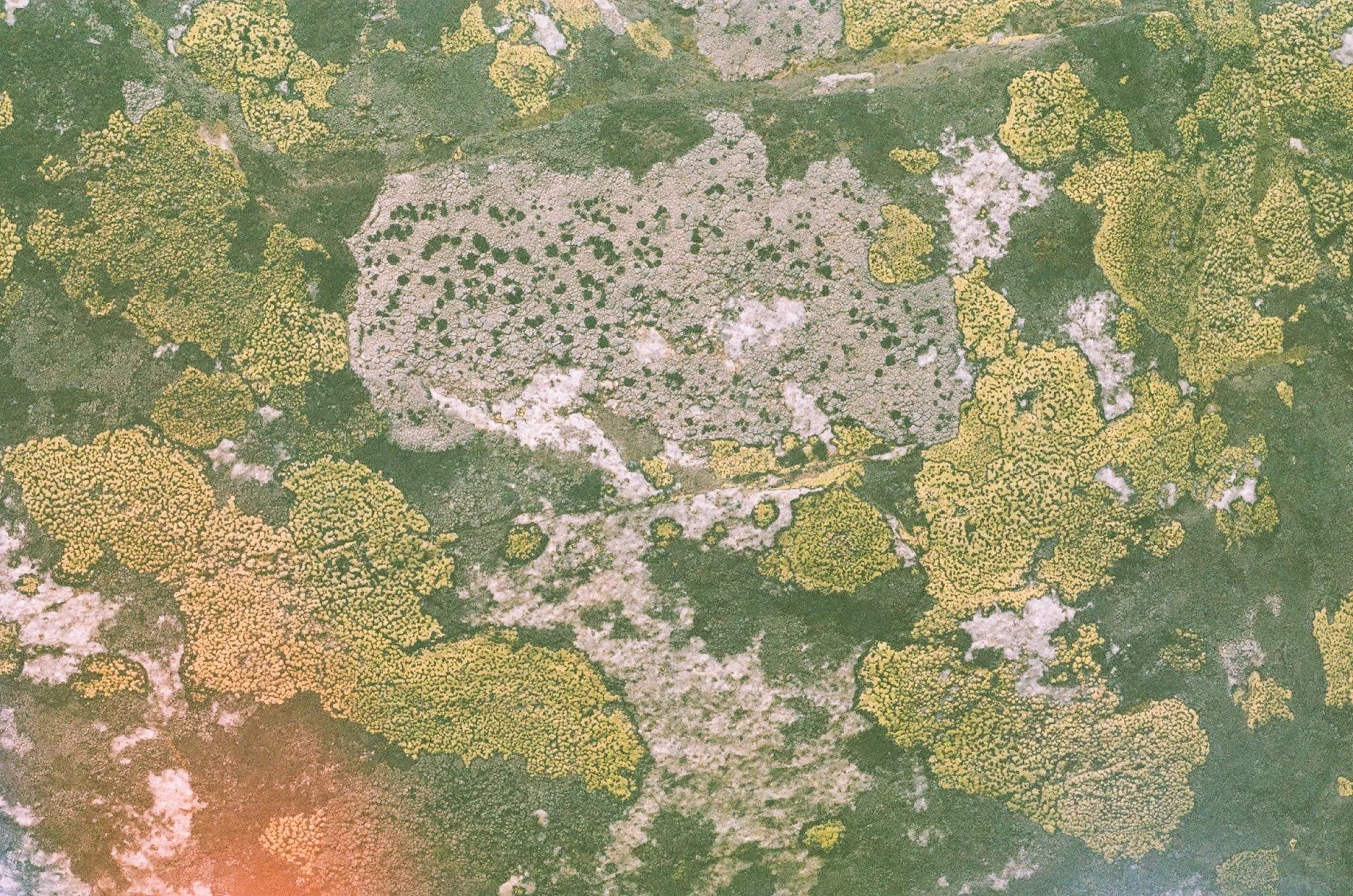
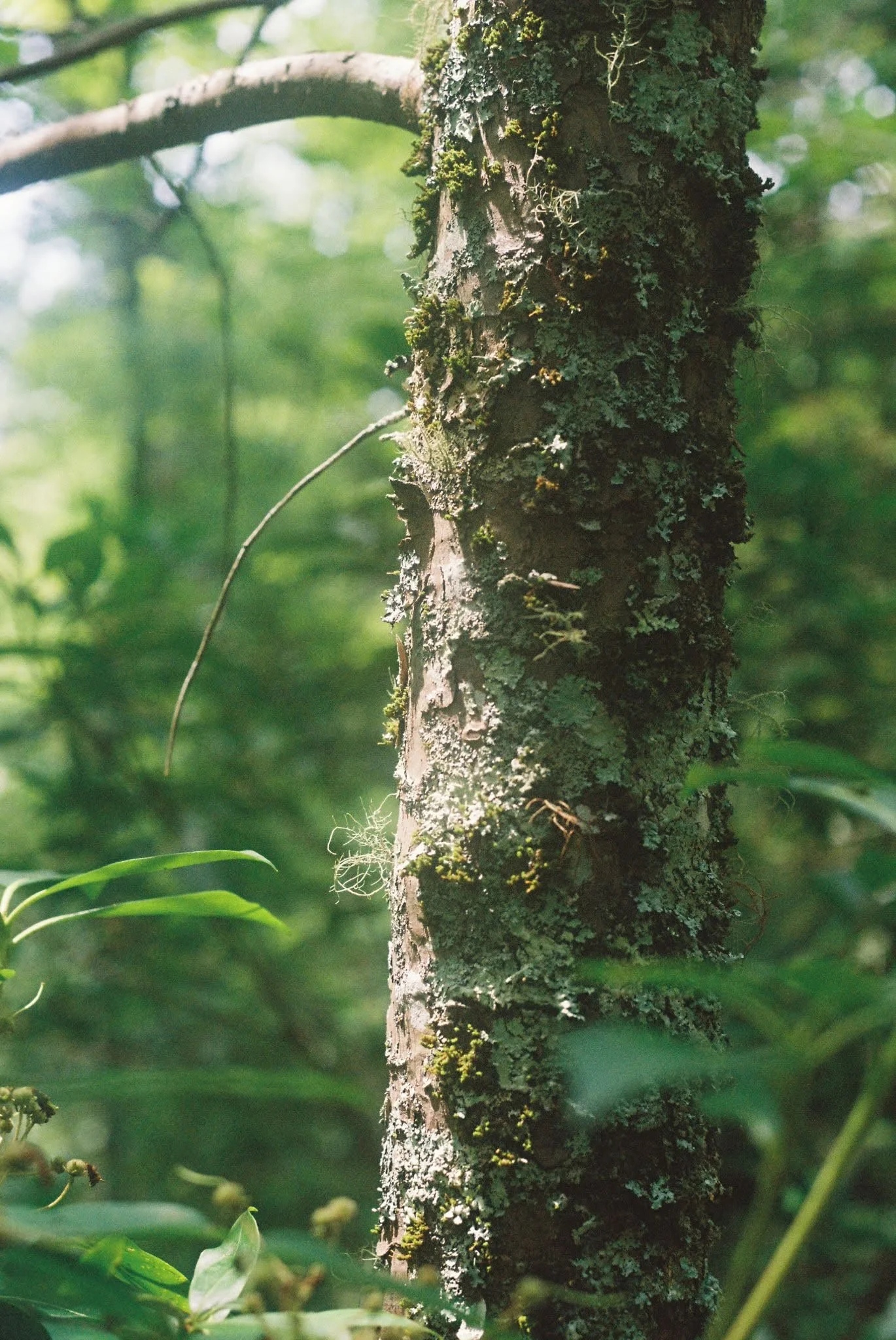
Looking Beyond What’s Comfortable
Coaching has taught me that continuing to look beyond our comfort zone leads to our most valuable breakthroughs.
"Visiting" the Lichen Museum affirms that insight; "In this altered state of concentration, you become susceptible to entertaining alternatives to the assumptions and demands that seem to determine and enclose us."
The juiciest lessons that lichens offer us are not from what they're doing; they're from how they're being. If you're interested in these lessons, I highly recommend reading The Lichen Museum.
What I aim to highlight here is the practice of observing lichen. Examining lichen puts you in "close relation with the actual surfaces of the world, which are messy and complex, often not what we expect, and sometimes exquisitely beautiful". (Speaking of messy and complex surfaces, I love this case for "friction-maxxing".)
What Observation Makes Possible
Whether the object is lichen on a sidewalk or a client's thoughts in a coaching session, the practice of observation is what makes transformation possible. And the discomfort is the small price we must pay for admission. "You may have to bend down, or lean in, and you may not see lichens (though chances are that you will), and either way you will be immersing yourself in the experience the museum offers. You too will be opened."
What might become possible for you if you were more open? If you were to loosen your grip on the ideas, beliefs, or conclusions that you hold as truth?
“Welcoming you to the Lichen Museum is an invitation to crack open and revise what we think we know about the world, without necessarily filling in all the opened spaces.”
If this post opened up any new space for you, I’d love to explore it together.
***HUGE shout out to my friend Charlotte, who enabled my love of lichen to bloom by responding to my very first newsletter with an invitation to A. Laurie Palmer's Book Talk and Walk at Making Worlds Books in May 2023.